

How to Build a Winning Relocation Policy
March 13, 2026
Build and optimize a relocation policy that works for your department and your people
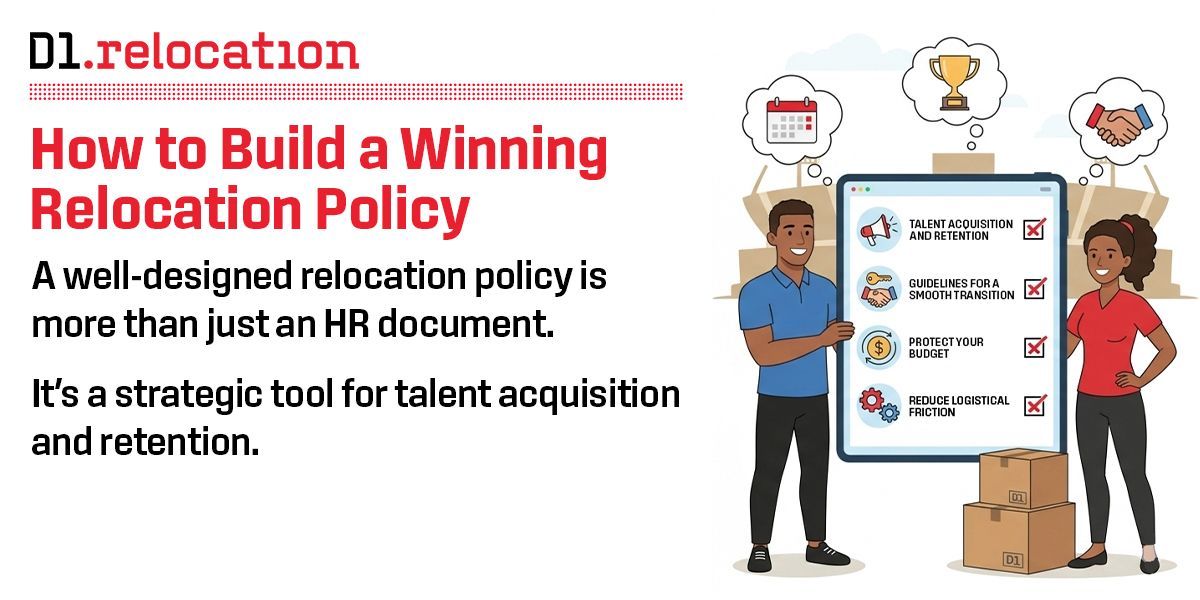
In the high-stakes world of college athletics, your roster isn't the only thing that’s fluid—your staff is, too. A well-designed relocation policy is more than just an HR document; it’s a strategic tool for talent acquisition and retention.
Having clear guidelines ensures that your new hires transition smoothly while protecting the budget and reducing administrative friction.
Here is how to build and optimize a relocation policy that works for your department and your people.
1. Define the Playing Field (Scope & Eligibility)
Before the first box is packed, you must define who qualifies for assistance. Establishing clear parameters upfront prevents confusion and ensures equitable support across the department.
- Eligibility: Clearly state which tiers (Head Coach, Senior Staff, etc.) receive support.
- Distance & Time: Set a minimum mileage requirement for moves and a timeframe (e.g., 12 months) in which the funds must be used.
- Tiers: One size does not fit all. Create distinct tiers (Executive, Mid-Level, Entry-Level) to align benefits with seniority and recruitment needs.
2. Choose Your Strategy (Package Types)
How you deliver the funds matters as much as the amount itself.
- Lump Sum: You provide a fixed dollar amount, and the employee manages it. (High risk for the employee, low oversight for you).
- Reimbursement: The employee fronts the cost and submits receipts. (High financial stress for the hire).
- Managed Relocation: You partner with a firm like D1.relocation to coordinate expenses directly. This offers the most oversight and the highest "white-glove" service level.
3. Determine Covered Expenses
Specify exactly what the department will and will not pay for. Typical categories include:
- House-hunting trips and temporary housing.
- Packing and shipping household goods (and specialty items like gym equipment or hot tubs).
- Pet relocation and car shipment.
4. Provide the "DORO" Level of Family Support
Studies show that spouse/partner dissatisfaction is a leading cause of failed relocations. A comprehensive policy must address the entire family unit.
- Spousal Support: Professional Decluttering and Organization for the "Unsung MVP."
- Education Resources: Vetting school districts and finding childcare.
- Community Integration: Helping families find local medical providers and social networks quickly.
5. Protect the Department (Repayment & Metrics)
To ensure your investment is protected, include a repayment clause. A standard agreement requires 100% repayment if an employee leaves within 12 months, or 50% if they leave within 24 months.
Additionally, track your metrics. Analyze the average spend per relocation and post-transfer retention rates to fine-tune your program annually.
FAQs: Moving Like a Pro
- Should we handle moves in-house? Unless you only move one person every few years, professional management is key. Specialists provide expertise in tax compliance and vendor relationships that save you more in the long run.
- What about the tax implications? Most relocation benefits are taxable income. Consider "gross-up" programs to cover the tax liability so your new hire isn't hit with a surprise bill.
- How often should we update the policy? Review it annually to stay competitive with housing trends and industry benchmarks.
Plan Your Next Move with D1.relocation
A strategic relocation policy aligns with your department’s culture and values. It provides the structure your CFO wants and the flexibility your administrators and coaches need. With the right planning, you can turn a stressful life event into a professional onboarding experience that helps you land—and keep—top-tier talent.
Ready to modernize your department's relocation strategy? Contact D1.relocation Today
to Review Your Policies!